Stories
Turtle? Tortoise? Terrapin? — One Animal, Too Many Words
In Japanese, every shelled reptile is simply "kame." English is far more complicated. A field guide to turtle words around the world.
In Japanese, whether it lives in the ocean, a pond, or a desert, it’s simply kame (亀). English speakers, on the other hand, have to choose their words.
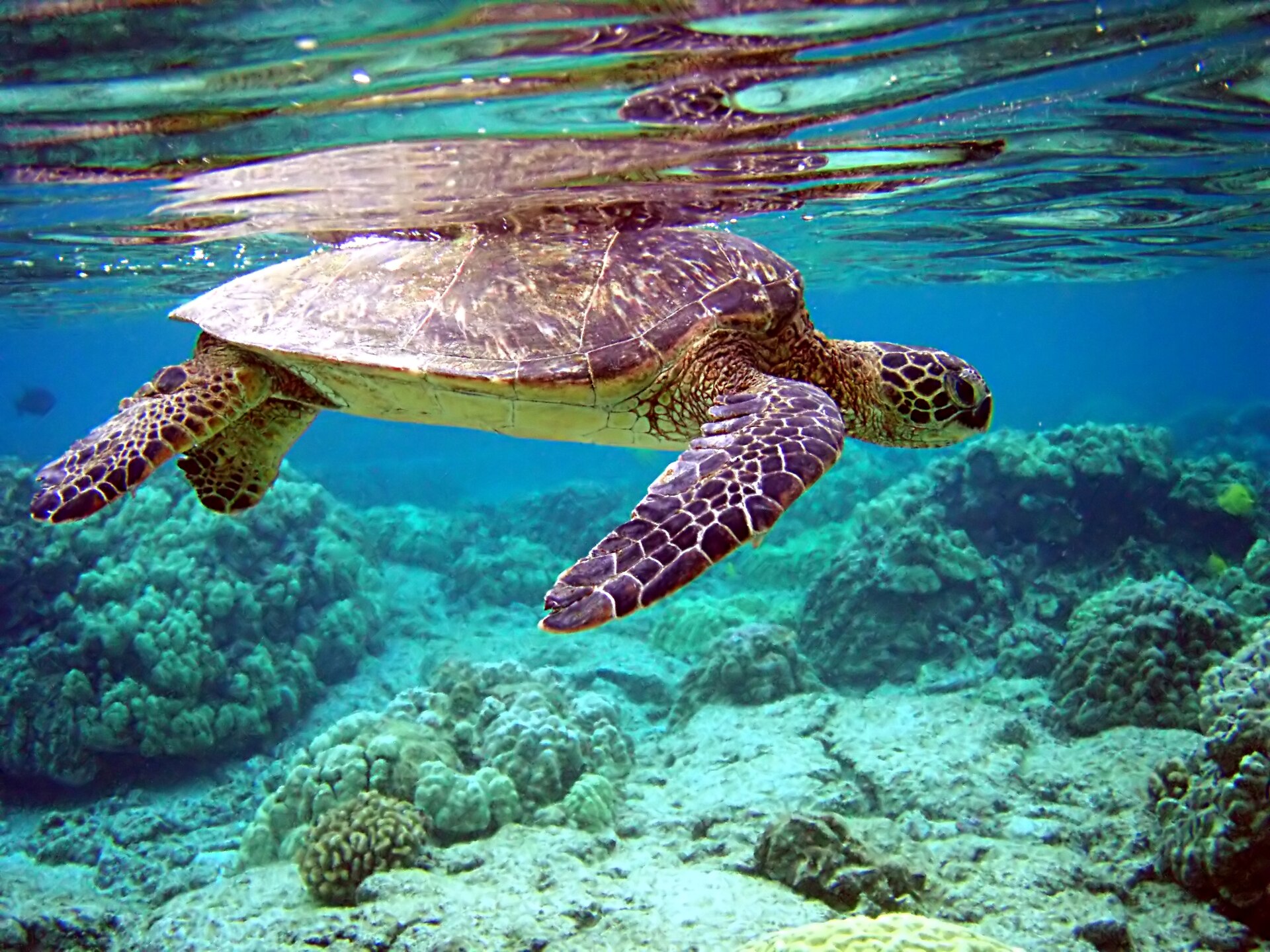
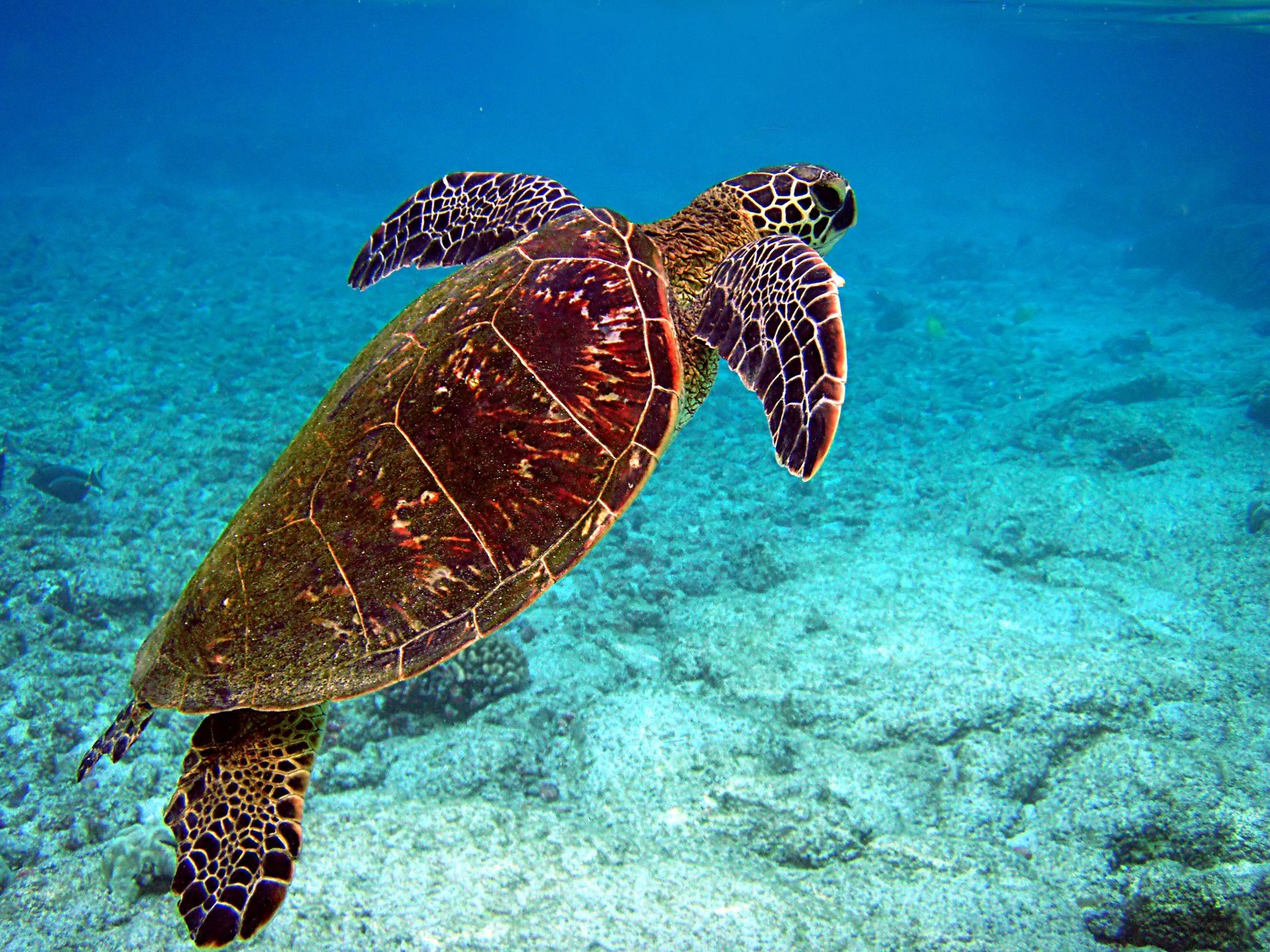
- Turtle — the broad umbrella term; in the narrow sense, aquatic species like sea turtles
- Tortoise — land-dwellers with stumpy, columnar legs
- Terrapin — chiefly American English for brackish- and freshwater species once prized as food, like the diamondback terrapin
To make things worse, American and British usage disagree. In the US, “turtle” covers almost everything; in the UK, freshwater species are often “terrapins” and only marine species are “turtles.” Science sidesteps the argument entirely: all of them belong to the order Testudines, where every turtle is equal.
Other languages have their own charm. German calls the turtle Schildkröte — literally “shield toad.” French says tortue, Spanish tortuga, both cousins of “tortoise.” Chinese uses a single word, 龟, just like Japanese.
So it’s not that Japanese is imprecise — you could just as well say English slices the shell too thin. Every species page on Kamepedia lists the Japanese, English, and scientific names side by side: a ready-made phrasebook for talking turtles across languages.